

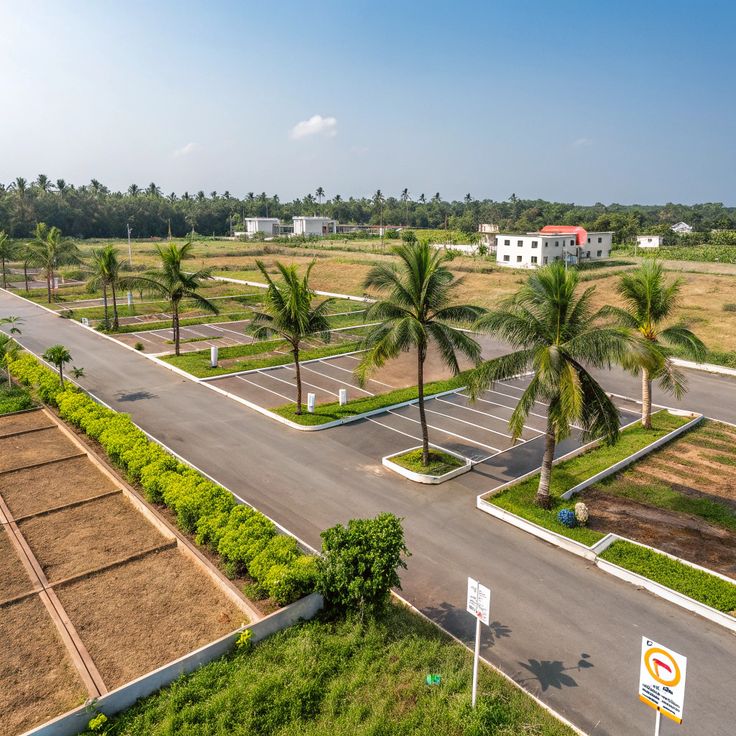
Building your dream home starts with one of the most important decisions you’ll ever make—choosing the right plot. While a beautiful house can be designed and renovated over time, the location and quality of the land remain permanent. Selecting the perfect plot requires careful planning, research, and attention to detail.
In this guide, we’ll walk you through the key factors to consider before investing in a residential plot.
1. Choose the Right Location
Location is the foundation of a smart real estate investment. Look for areas that offer:
- Good road connectivity
- Nearby schools and colleges
- Hospitals and healthcare facilities
- Shopping centers and markets
- Public transportation
- Future infrastructure developments
A well-connected location not only provides convenience but also increases the property’s value over time.
2. Verify Legal Documents
Never purchase a plot without checking its legal status. Make sure all documents are genuine and up to date, including:
- Clear ownership title
- Sale deed
- Land registration documents
- Approved layout plan
- Property tax receipts
- Required government approvals
A legally verified plot ensures a safe and hassle-free investment.
3. Check the Plot Size and Shape
The size and shape of the plot directly affect your home’s design and future expansion possibilities.
- Rectangular and square plots are generally easier to design.
- Ensure the dimensions suit your construction plans.
- Consider leaving space for parking, landscaping, or a garden.
Choosing the right dimensions today can save you costly modifications later.
4. Understand the Surrounding Development
Visit the area personally and observe the neighborhood.
Check for:
- Residential communities
- Parks and green spaces
- Commercial developments
- Water and electricity availability
- Clean surroundings
- Planned infrastructure projects
A developing neighborhood often offers better appreciation in property value.
5. Evaluate Soil Quality and Land Level
Strong soil is essential for a safe and durable home.
Before purchasing, consider:
- Soil strength
- Drainage system
- Flood risk
- Land elevation
A professional site inspection can help avoid expensive construction issues later.
6. Check Basic Utilities
Ensure the plot has easy access to essential services such as:
- Water supply
- Electricity
- Sewage system
- Internet connectivity
- Proper roads
Availability of utilities makes construction easier and more economical.
7. Consider Future Appreciation
Buying a plot is not just about building a home—it’s also a long-term investment.
Look for areas with:
- Upcoming highways
- Metro or railway projects
- Commercial developments
- Government infrastructure initiatives
- Growing residential demand
Such developments often lead to significant property appreciation.
8. Stay Within Your Budget
Set a realistic budget before beginning your search.
Remember to include:
- Registration charges
- Stamp duty
- Legal fees
- Development charges
- Future construction costs
Planning your finances in advance helps avoid unexpected expenses.
9. Visit the Site Multiple Times
Never rely only on online listings or brochures.
Visit the property at different times of the day to assess:
- Traffic conditions
- Noise levels
- Safety
- Neighborhood environment
- Accessibility
Seeing the plot in person gives you a much clearer picture before making a final decision.