

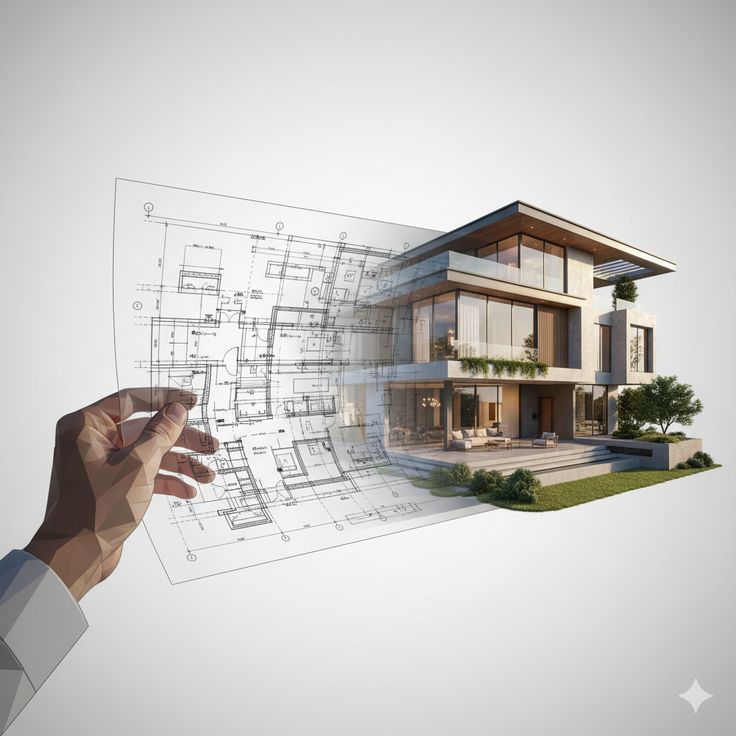
Building your dream home is an exciting journey, but successful construction begins long before the first brick is laid. Proper planning helps you avoid unexpected expenses, delays, and design changes while ensuring a smooth construction process.
If you’ve already purchased a plot, here are the essential things you should plan before starting construction.
1. Finalize Your Budget
Your budget is the foundation of your entire construction project.
Consider all possible expenses, including:
- Construction materials
- Labor costs
- Architectural and engineering fees
- Government approvals
- Interior finishes
- Landscaping
- Contingency fund for unexpected costs
Having a well-planned budget helps you complete your home without financial stress.
2. Choose the Right House Design
Think about your family’s current and future needs before finalizing the layout.
Ask yourself:
- How many bedrooms do you need?
- Do you need a home office?
- Would you like a garden or terrace?
- Is parking space required?
- Do you plan to add another floor in the future?
A practical design improves comfort and increases your property’s value.
3. Hire Experienced Professionals
Working with qualified professionals can save both time and money.
Choose:
- Licensed architect
- Structural engineer
- Experienced contractor
- Interior designer (if required)
Review their previous projects, client feedback, and credentials before making a decision.
4. Verify Plot Boundaries
Before construction begins, confirm the exact dimensions and boundaries of your plot.
This helps:
- Prevent disputes with neighboring properties
- Ensure construction stays within legal limits
- Avoid costly corrections later
A professional land survey is always recommended.
5. Obtain Necessary Approvals
Make sure all required approvals are in place before construction starts.
These may include:
- Building plan approval
- Construction permit
- Local authority permissions
- Utility connection approvals
Starting construction without proper approvals can lead to legal complications and penalties.
6. Test the Soil
The strength of your home’s foundation depends on the quality of the soil.
A soil test helps determine:
- Soil bearing capacity
- Foundation requirements
- Drainage conditions
- Potential construction challenges
This step is especially important for multi-story homes.
7. Plan Utilities in Advance
Think about essential services before construction begins.
Plan the locations for:
- Water supply
- Electrical wiring
- Plumbing
- Drainage system
- Internet and cable connections
- Rainwater harvesting (if applicable)
Proper planning reduces the need for future modifications.
8. Create a Construction Timeline
Discuss the project schedule with your contractor.
Include milestones for:
- Foundation work
- Structural construction
- Roofing
- Electrical and plumbing installation
- Flooring and painting
- Final finishing
A realistic timeline helps keep the project on track.
9. Prioritize Safety and Quality
Never compromise on the quality of construction materials.
Choose:
- High-quality cement and steel
- Durable bricks or blocks
- Certified electrical materials
- Reliable plumbing fixtures
Quality materials improve the safety, durability, and lifespan of your home.
10. Plan for Future Expansion
Even if you’re building a smaller home today, consider future requirements.
You may want to:
- Add another floor
- Expand living space
- Build a garage
- Create a rooftop garden
- Install solar panels
Planning ahead can save significant renovation costs in the future.
Final Thoughts
Building a home is one of the biggest investments you’ll ever make. Careful planning before construction begins can help you save money, avoid delays, and create a home that perfectly suits your family’s needs.